 0770 748795
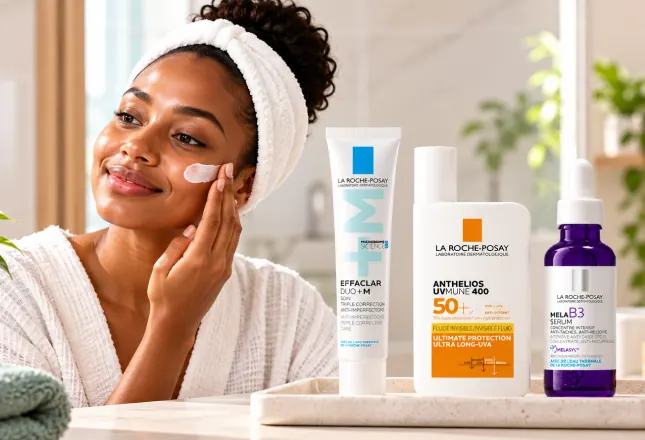
Be honest. How many half bottles of skin products are in your bathroom? We all have a number of them, if not more. The vitamin C serum that stung, the clay mask that was a good idea at 11 pm, and the toner a friend swore by. Money spent, skin no better.
Here’s the thing nobody selling you a ten-step routine will say out loud: your skin doesn’t care how many products you own. It cares whether you do a few simple things every day, for months. That’s a much cheaper habit than the one social media is pushing.
The three products worth paying for
Cleanser, moisturiser, sunscreen. If your budget is tight, stop there and don’t feel bad about it.
Start with a gentle cleanser. After a day of dust, traffic fumes and sweat, you want your face clean, but you don’t want it squeaky. That tight, dry feeling after washing means the formula is too harsh, and it will leave your skin producing more oil to make up for it. Then a moisturiser. Yes, even if your skin is oily. A light gel does the job and keeps the barrier healthy.
Sunscreen is where I’d put the first shillings you have. We live on the equator. The sun here is strong every single month, including the grey mornings in Kampala when you think you’re safe. A daily SPF 30 or higher does more against dark spots and early ageing than any serum you can buy, and it makes the rest of your routine worth the money. Skip it and you’re paying for products while the sun quietly undoes them.
Ignore the price tag and flip the bottle
An expensive cleanser and a cheap one both wash your face. The difference is often the jar, the ad campaign and the perfume. So turn the box over and read the ingredients list.
A few names are worth knowing. Niacinamide calms oil and evens out tone. Hyaluronic acid and glycerin hold water in your skin. Ceramides patch up a tired barrier. Salicylic acid goes after blackheads. Vitamin C brightens, slowly. You won’t need every one of these. Pick the single thing that bothers you most and buy for that. One decent niacinamide serum can quietly replace a toner, a pore treatment and a brightening cream.
And be patient. Skin takes about a month to renew itself, so a new product needs six to eight weeks before you judge it. Anything promising results by Friday is selling you hope.
Your friend’s skin is not your skin
Something that cleared up your cousin’s face in two weeks might wreck yours. Skin type matters more than any trend.
If you get shiny by noon, go for gel textures, oil-free moisturisers and a light sunscreen. Dry and flaky? You want creamier products and something richer at night. Combination skin usually ends up with two moisturisers, or one medium one that isn’t perfect for anywhere but works fine everywhere. Sensitive skin should keep the routine boring and fragrance-free. Struggling mostly with breakouts? Look at acne-focused skincare built for that job, instead of stacking random acids.
One rule saves more money than any discount code: add one new product at a time, and wait two weeks before adding another. If your face reacts, you know who to blame. Try three things at once and you’ll never know, and you’ll throw all three out.
Where you actually save
Low cost is NOT the lowest price on the shelf. It is more expensive to discard 3 bottles than to purchase one moisturiser and re-use it.
Check the size. It’s possible that a larger bottle of body lotion or cleaner will cost you less per mL as long as you’ll use it before the bottle runs out. On the back, the small open-jar icon indicates the number of months it will retain its aroma, flavor, and quality after opening. Starter skincare kits and sets tend to be cheaper than buying each piece alone, and member offers add up across a year of restocking.
Then use less. A pea-sized dab covers your face. For sunscreen, think two finger-lengths for face and neck. Slapping on more doesn’t speed anything up; it just empties the tube quicker.
If you’re stuck, ask the pharmacist. Really. They’d rather steer you to a simple product that works than watch you leave with a basket of things your skin doesn’t need.
A routine you can actually keep
Mornings: wash, moisturise, sunscreen. Evenings: wash, moisturise, and a serum if you’re using one. Total of three or four products, maybe five minutes.
Once your skin settles, and only then, you can add something. A gentle exfoliant once or twice a week, or a serum aimed at one specific problem. Ask yourself what the product is supposed to do. If you can’t answer, leave it on the shelf.
Sometimes no product will fix it. Acne that keeps coming back, patches that won’t clear, a rash after every new cream: that’s a job for a professional, not another purchase. See a doctor or dermatologist before you spend more, and ask our pharmacists if you are not sure where to start.
Ready to start?
Walk into any Goodlife store in Kampala, Entebbe or Jinja and tell a pharmacist what’s bothering your skin. Start small, stay consistent, and let your results decide what comes next.
Frequently Asked Questions
1. What is the bare minimum skincare routine?
A gentle cleanser, a moisturiser and a sunscreen. Wash and moisturise in the morning and evening, and add sunscreen every morning. If your budget is tight, these three are the only products you need.
2. Do I need sunscreen if it’s cloudy or I’m mostly indoors?
Yes. UV rays are strong in Uganda all year, including on grey, overcast mornings. A daily SPF 30 or higher helps prevent dark spots and early ageing, and it protects the money you spend on the rest of your routine.
3. Should I use a moisturiser if I have oily skin?
Yes. Skipping it can make your skin produce even more oil. Choose a light, oil-free gel moisturiser that keeps your skin barrier healthy without feeling heavy.
4. How long should I wait before deciding if a product works?
Give it six to eight weeks, since skin takes about a month to renew itself. Add only one new product at a time and wait about two weeks before adding another. That way, if your skin reacts, you’ll know which product caused it.
5. Do expensive skincare products work better than cheaper ones?
Not necessarily. Price often reflects packaging, marketing and fragrance rather than results. Check the ingredients list instead. Niacinamide, hyaluronic acid, glycerin, ceramides and salicylic acid are all proven ingredients you can find at affordable prices.